Why Gen Z Watches Less Sports — But Engages More
Dec 22, 2025
Why Gen Z Watches Less Sports — But Engages More
On the surface, Gen Z looks disengaged from sports.
They watch fewer full matches, tune into linear TV less often, and rarely organize their schedules around live broadcasts. For leagues and broadcasters still anchored to legacy KPIs, this can look like decline.
It isn’t.
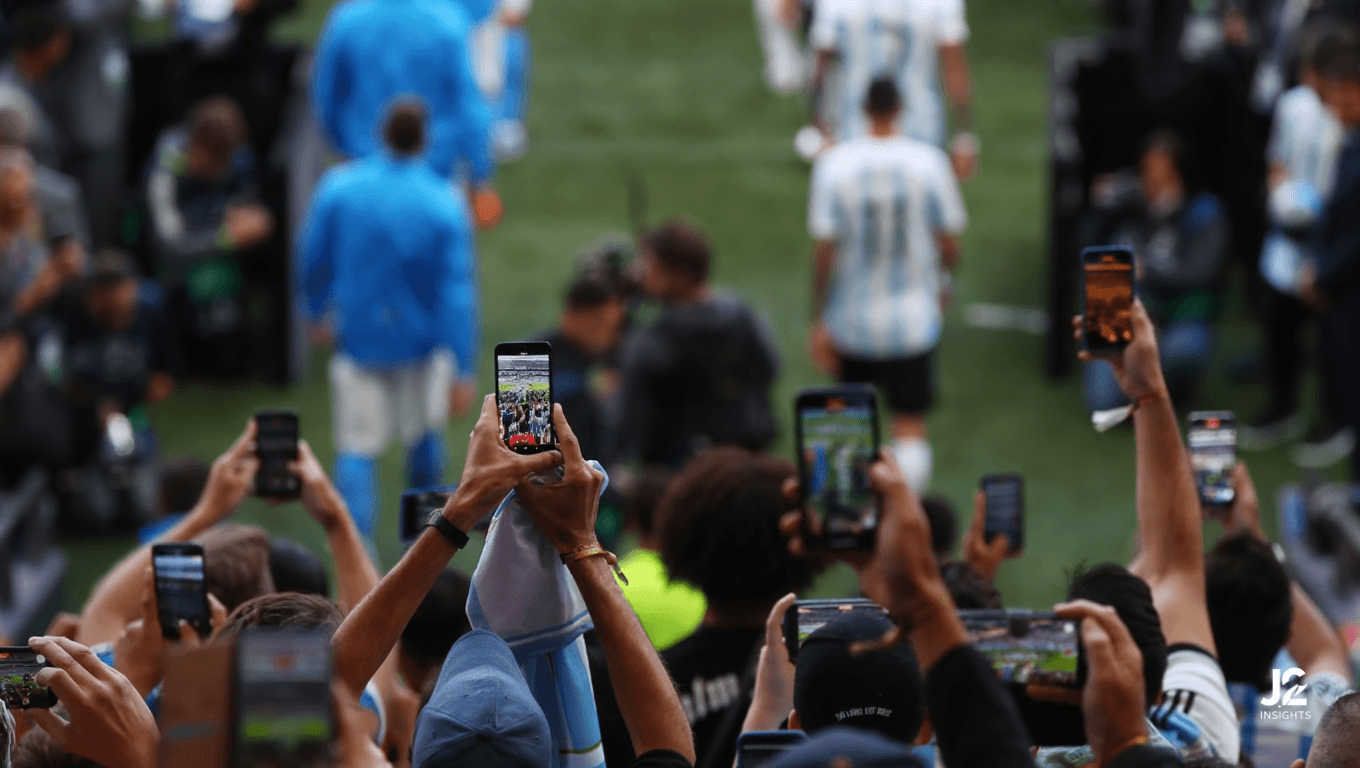
Gen Z hasn’t abandoned sports — they’ve repositioned sports within a digital-first lifestyle. Engagement is no longer concentrated in a single three-hour window. It’s distributed across the day, across platforms, and across formats. And in many cases, it’s more frequent and more interactive than what came before.
Highlights Are the New Front Door
For fans under 25, the live game is no longer the default starting point. Discovery happens earlier and elsewhere — through short-form highlights, viral moments, player-centric clips, and algorithmically surfaced content.
Platforms like TikTok and YouTube Shorts now function as the top of the funnel for sports fandom. They introduce players, rivalries, and storylines in compressed, highly shareable formats that fit naturally into everyday scrolling behavior.
Importantly, highlights don’t just replace full matches. They build context. They tell fans who matters, what’s trending, and why an upcoming game is worth paying attention to. For Gen Z, committing to a full match often happens after interest has already been established — not before.
From Broadcasters to Creators
Another major shift is who shapes the sports narrative.
Gen Z’s understanding of sport is increasingly mediated by creators rather than traditional broadcasters. Tactical explainers, breakdowns, skill-based content, and opinionated commentary now sit alongside — and often ahead of — official coverage.
Creators like F2 don’t compete with leagues. They extend the cultural surface area of sport. They speak the native language of platforms, turn isolated moments into ongoing conversations, and build parasocial relationships that traditional media struggles to replicate.
For many Gen Z fans, people are the entry point. Teams, leagues, and competitions follow later.
Betting and Fantasy as Participation, Not Just Wagering
Gen Z’s relationship with betting and fantasy sports reflects the same pattern.
Engagement skews away from long-term, high-stakes wagers and toward moment-to-moment participation — micro-bets, in-play decisions, and socially driven formats. These mechanics act less as standalone gambling products and more as engagement layers layered on top of the viewing experience.
A single goal, substitution, or controversial call becomes something to react to, discuss, and share. Even partial viewing can still generate high emotional investment because fans are interacting with the sport in real time — often on a second screen, often within a community.
Fandom Without Borders
Unlike previous generations, Gen Z fandom is rarely singular or geographically fixed.
A fan might support a local team, follow a global superstar elsewhere, watch highlights from multiple leagues, and engage with entirely different sports depending on what surfaces in their feeds. This “portfolio fandom” reflects globalized content distribution, player-led storytelling, and algorithm-driven discovery rather than inherited loyalty.
Loyalty hasn’t disappeared — but it’s earned continuously, not assumed.
What Rights Holders Get Wrong
The biggest mistake rights holders make is equating lower linear viewership with lower interest.
Attention hasn’t declined; it has fragmented. Engagement hasn’t weakened; it has multiplied across platforms. Loyalty hasn’t vanished; it has become conditional.
Winning Gen Z doesn’t mean forcing younger fans back into old consumption models. It means designing for how they already behave — with digital-first distribution, creator partnerships treated as strategy rather than marketing, highlight-native storytelling, and community-driven engagement loops that extend well beyond matchday.
The Takeaway
Sports fandom isn’t shrinking.
It’s shifting from passive consumption to active, digital participation.
Gen Z doesn’t just watch sports — they clip, react, comment, bet, share, remix, and co-create them.
At J2 Insights, we help rights holders and sports organizations build digital-first fan strategies aligned with these behaviors, turning fragmented attention into sustainable engagement and long-term value.
If you’re still measuring success only by full-match viewership, you’re already missing where the next generation of fans lives.